Introduction
Puppy teething can be one of the most challenging parts of raising a young dog. Those tiny teeth may quickly turn into sharp little tools that find your hands, shoes, furniture, and anything else within reach. Understanding the Puppy Teething Timeline: What Week Do Puppies Stop Biting and Chewing Furniture? can make this stage much easier to manage.
Most puppies begin losing their baby teeth at around three to four months. Their adult teeth usually continue developing until roughly six to seven months. However, teething alone does not explain every biting or chewing habit. Puppies also chew because they explore their environment, relieve boredom, seek attention, and learn about boundaries.
The good news is that furniture chewing usually becomes less intense as puppies mature. With proper training, suitable chew toys, exercise, and supervision, most owners can guide their puppies toward better habits.
Understanding the Puppy Teething Timeline
The Puppy Teething Timeline: What Week Do Puppies Stop Biting and Chewing Furniture? generally begins soon after birth, although newborn puppies do not have visible teeth. Their baby teeth typically begin appearing when they are around three weeks old.
By approximately six to eight weeks, most puppies have developed their complete set of temporary teeth. These teeth are sharp and help puppies transition from nursing toward eating solid food.
The next major stage begins around three to four months. At this point, adult teeth start pushing through the gums. The pressure can create significant discomfort, which encourages puppies to chew more frequently.

Between four and six months, chewing can become especially noticeable. Puppies may bite furniture, table legs, carpets, shoes, and other household objects. This period often feels endless, but it is temporary.
By around six to seven months, most puppies have their adult teeth. However, that does not mean every puppy immediately stops chewing. Some continue chewing household objects because the behavior has become enjoyable or habitual.
What Week Do Puppies Stop Biting?
There is no single week when every puppy suddenly stops biting. Most puppies show noticeable improvement between six and nine months when owners consistently teach bite inhibition and appropriate chewing habits.
The Puppy Teething Timeline: What Week Do Puppies Stop Biting and Chewing Furniture? therefore depends on both physical development and training. A puppy that finishes teething may still nip during play or chew furniture out of boredom.
During the early weeks, biting is usually connected to exploration and play. Puppies use their mouths much like babies use their hands. They investigate textures, objects, and even people through gentle or excessive mouthing.
As puppies mature, they should gradually learn that human skin is not an appropriate chew toy. Consistent responses are important because confusing signals can make the process slower.
Why Puppies Chew Furniture During Teething
Teething discomfort is one major reason puppies chew furniture. Chewing applies pressure to the gums and can provide temporary relief. Unfortunately, household furniture is often conveniently available.
Furniture also has interesting textures. Wooden table legs, fabric sofas, carpets, and chair corners can provide different chewing sensations. Once a puppy discovers that chewing these objects feels satisfying, the behavior can become repetitive.
Boredom is another major factor. Puppies have considerable physical and mental energy. Without enough activity, they may create their own entertainment by chewing whatever they can find.
An anxious or overstimulated puppy may also chew objects. Therefore, owners should look beyond teething when trying to understand destructive chewing.
When Does Furniture Chewing Usually Improve?
The most intense chewing period often occurs between three and six months. This overlaps closely with the period when puppies lose their baby teeth and develop adult teeth.
By six months, many puppies begin chewing household items less frequently. However, some dogs continue until nine months or longer. Breed, personality, environment, exercise, and training can all influence the timeline.
The Puppy Teething Timeline: What Week Do Puppies Stop Biting and Chewing Furniture? should therefore be treated as a general guide rather than a strict schedule.
A puppy that continues chewing after six months is not necessarily experiencing a problem. Instead, the behavior may indicate that the puppy still needs appropriate outlets for chewing and more consistent management.
How to Stop a Puppy From Chewing Furniture
The most effective approach is to prevent access while teaching an alternative behavior. Simply telling a puppy “no” does not explain what the puppy should do instead.
Provide safe and appropriate chew toys in areas where your puppy spends time. When the puppy chooses a toy instead of furniture, offer praise and positive attention.
If your puppy begins chewing a chair leg, calmly redirect the puppy toward an appropriate chew item. Avoid turning the interaction into an exciting game. Otherwise, the puppy may learn that chewing furniture earns attention.
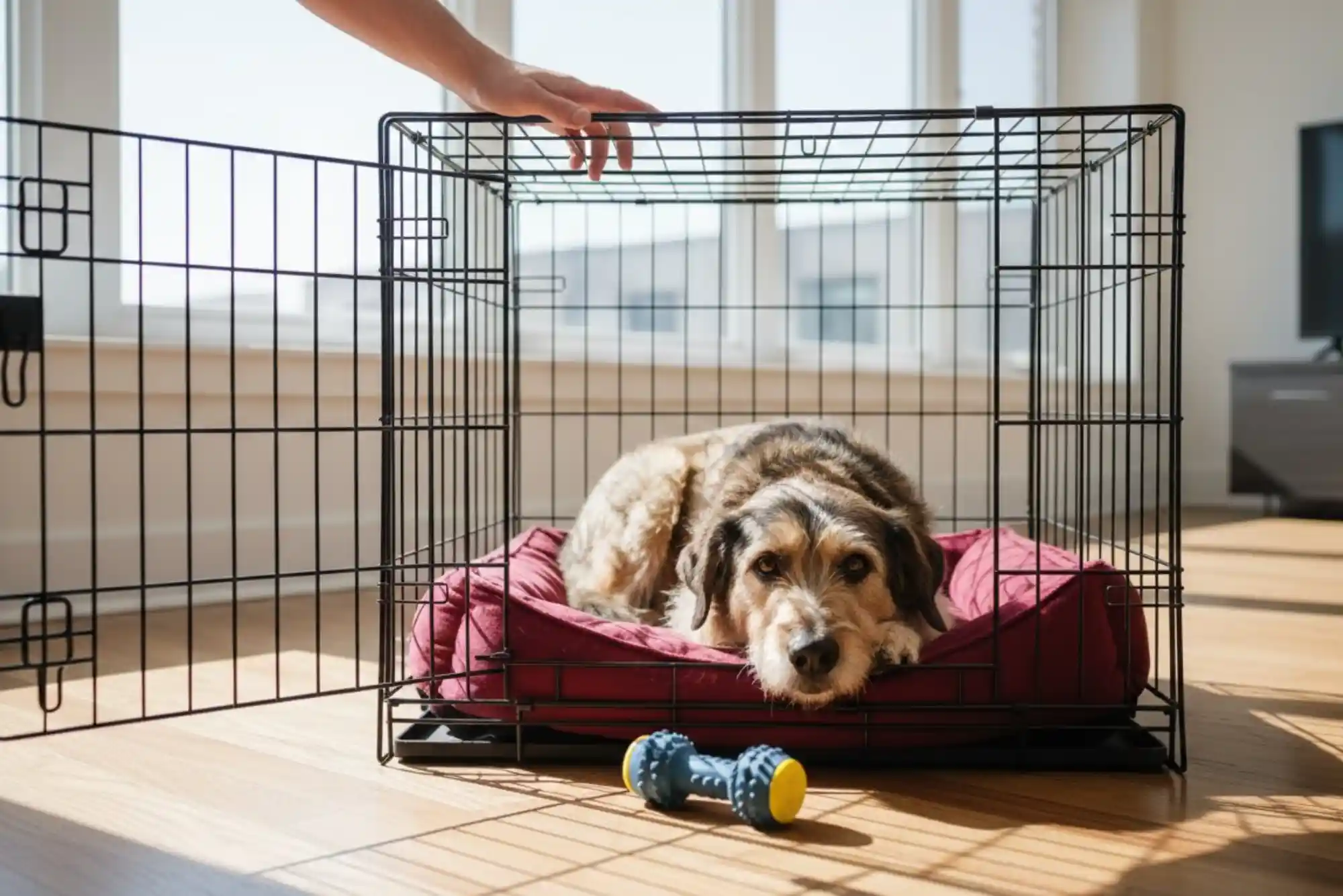
Management is equally important. During the most active teething months, puppies should not have unlimited access to the entire house. Gates, puppy-proof rooms, crates, and supervision can prevent repeated mistakes.
Keep valuable furniture and tempting objects out of reach whenever possible. Prevention is much easier than repeatedly correcting an established habit.
Helping Your Puppy Through Teething
Teething puppies benefit from safe chewing opportunities. Different puppies prefer different textures, so you may need to try several veterinarian-approved chew options.
Some puppies enjoy rubber toys, while others prefer softer textures. Always choose products appropriate for your puppy’s size and chewing strength.
Frozen or chilled puppy-safe chew items may also provide soothing relief for uncomfortable gums. However, owners should avoid extremely hard objects that could damage developing teeth.
Regularly inspect chew toys for damage. Replace products that become broken, excessively worn, or small enough to swallow.
Your veterinarian can also recommend suitable options based on your puppy’s breed, size, age, and dental development.
Teaching Better Bite Inhibition
Biting during puppyhood is normal, but puppies still need to learn how much pressure is appropriate. Bite inhibition teaches a puppy to control the force of its mouth.
During play, avoid encouraging your puppy to bite hands. Use toys instead. If your puppy bites too hard, calmly stop the interaction for a short moment.
This teaches an important lesson: gentle play continues, while painful biting ends the fun.
Everyone in the household should respond consistently. If one person allows hand biting while another discourages it, the puppy receives mixed information.
Over time, puppies generally become better at controlling their mouths. Patience is particularly important because young dogs are still developing emotional control.
Exercise Can Reduce Destructive Chewing
A tired puppy is often easier to manage, but exercise should be appropriate for the puppy’s age and physical development. Young dogs should not be pushed into excessive high-impact activity.
Mental stimulation is equally valuable. Short training sessions, food puzzles, scent games, and supervised exploration can help satisfy a puppy’s natural curiosity.
When puppies receive appropriate physical and mental stimulation, they often have less motivation to create their own entertainment through furniture chewing.
A predictable daily routine can also help. Regular meals, rest, play, training, and bathroom breaks give puppies structure while they learn household expectations.
What If My Puppy Still Bites After Teething?
If a puppy continues biting after adult teeth have developed, consider the reason behind the behavior. Play biting, attention-seeking, excitement, frustration, and anxiety can all contribute.
At this stage, simply blaming teething may prevent you from addressing the actual cause. Observe when the biting happens and what occurs immediately beforehand.
If biting happens mainly during energetic play, improve toy-based play and reinforce calmer behavior. If biting happens when the puppy becomes overstimulated, provide a quiet rest period.
Persistent or unusually aggressive biting deserves professional attention. A qualified veterinarian or certified dog behavior professional can help identify underlying issues and create an appropriate training plan.
Puppy Teething Timeline by Age
At around three to four weeks, puppies begin developing their first baby teeth. These teeth continue appearing during the following weeks.
By six to eight weeks, most puppies have their temporary teeth and are becoming increasingly active with chewing and mouthing.
Around three to four months, adult teeth begin replacing baby teeth. This is often when chewing becomes more intense.
Between four and six months, many puppies experience their strongest teething-related chewing phase. Furniture chewing can be particularly frustrating during this period.
At approximately six to seven months, most puppies have developed their adult teeth. Chewing should gradually become easier to manage, especially when appropriate training has been established.
Between seven and nine months, many puppies show significant improvement. Nevertheless, adolescent dogs may still chew when bored or insufficiently supervised.
Frequently Asked Questions
What age do puppies stop biting?
Most puppies gradually reduce biting between six and nine months. However, individual dogs mature at different rates. Training and consistent boundaries strongly influence how quickly biting decreases.
How long does the puppy teething stage last?
The main teething period generally lasts from around three or four months until approximately six or seven months. Some chewing behavior can continue beyond this period because chewing is also a normal canine activity.
Do puppies stop chewing after teething?
Many puppies chew household objects less after teething ends. However, chewing does not necessarily disappear completely. Dogs naturally enjoy chewing, so appropriate chew toys should remain available.
Why is my six-month-old puppy still biting?
A six-month-old puppy may still bite because of excitement, play, boredom, attention-seeking, or incomplete bite-inhibition training. Teething may also still be finishing for some puppies.
How can I stop my puppy from chewing furniture?
Prevent access to furniture, provide safe chew alternatives, supervise your puppy, and redirect inappropriate chewing calmly. Consistent positive reinforcement usually works better than punishment.
Conclusion
Understanding the Puppy Teething Timeline: What Week Do Puppies Stop Biting and Chewing Furniture? can make puppyhood much less stressful. Most puppies experience their strongest chewing between three and six months. Many show clear improvement once their adult teeth develop around six to seven months.
Related Reading: How to Fly Internationally with a Dog: Cabin Dimensions, Pet Passports, and IATA Rules