Introduction
Guest posting remains a useful way to earn relevant backlinks, build authority, and introduce your website to new audiences. However, the way links are presented matters as much as the websites linking to you. Using the same anchor text repeatedly can make a backlink profile look unnatural. Therefore, understanding how to diversify anchor text in guest-post link strategy is essential for building a balanced SEO campaign.
Anchor text is the clickable text used for a hyperlink. It helps readers understand where a link leads. It can also provide search engines with contextual information about the linked page. However, effective link building is not about repeating an exact keyword whenever possible. Instead, it should reflect natural editorial language.
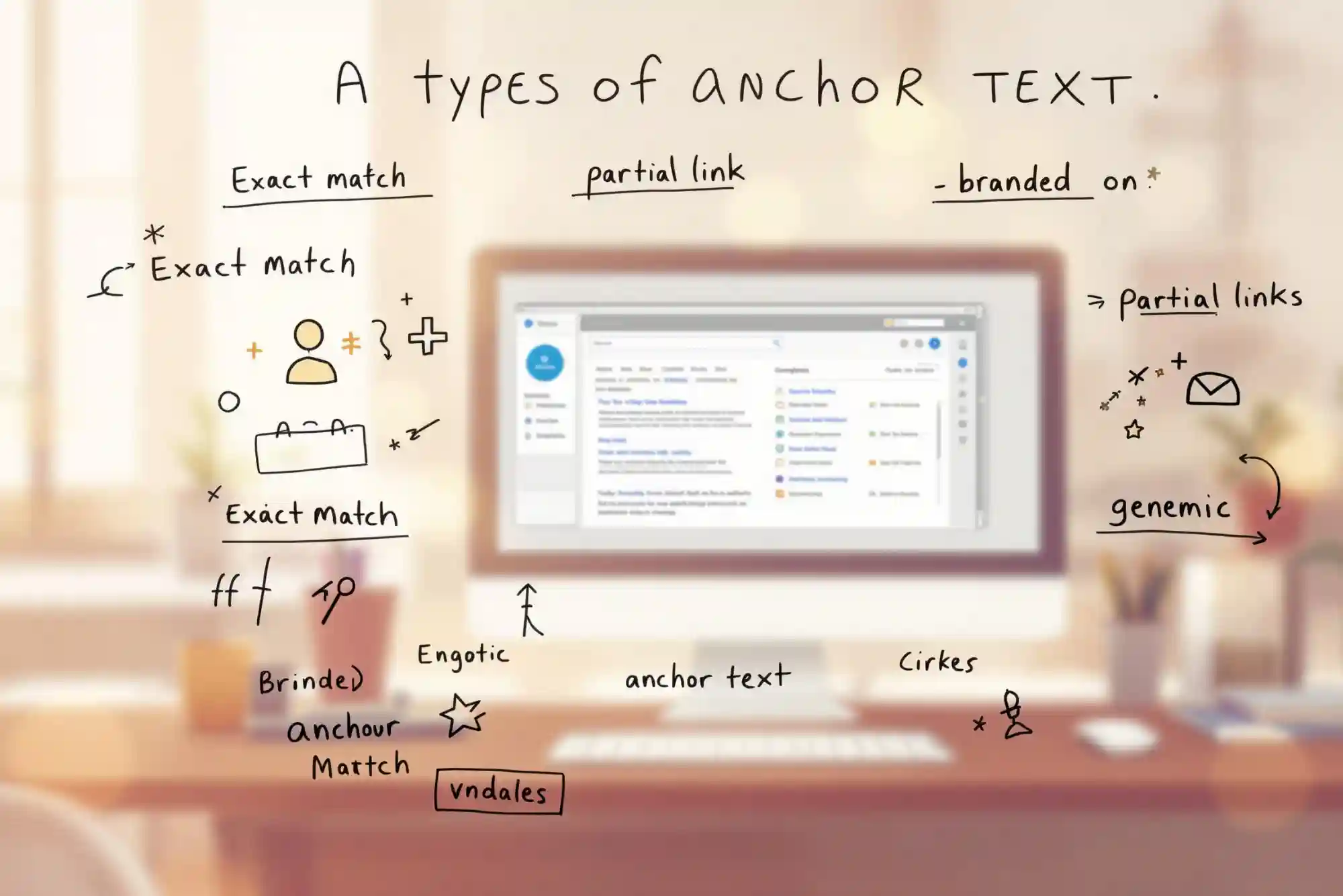
A strong guest-post campaign uses different types of anchor text. These may include branded phrases, URLs, partial-match phrases, generic anchors, and naturally descriptive wording. The goal is to create a backlink profile that looks useful to readers rather than artificially optimized for search engines.
Why Anchor Text Diversity Matters in Guest Posting
Understanding how to diversify anchor text in guest-post link strategy starts with recognizing why diversity matters. When many external websites use exactly the same keyword-rich phrase to link to one page, the pattern can appear forced.
Guest posts should provide genuine value first. The backlink should support the subject being discussed. Its anchor text should also make sense within the sentence.
For example, suppose a website offers professional SEO services. Repeating one commercial phrase across dozens of guest posts may create an unnecessarily narrow anchor profile. Instead, publishers can naturally use the brand name, website URL, service description, or a relevant phrase.

This approach creates greater variation while keeping links contextually relevant.
Anchor diversity also improves the reader experience. Visitors should understand what they can expect after clicking a link. Clear wording makes the link feel like part of the content instead of an advertisement inserted for SEO purposes.
What Is Anchor Text Diversity?
Anchor text diversity means using different phrases to link to your website or individual pages. The variations should remain relevant to the destination page.
A natural backlink profile may contain branded anchors such as a company name. It may also contain naked URLs, generic phrases, partial-match keywords, and descriptive phrases.
For instance, a company working in digital marketing could receive links using its brand name. Other publishers might naturally mention its SEO services or link directly to its website address.
This variation is one reason learning how to diversify anchor text in guest-post link strategy is important for long-term SEO planning.
The exact distribution does not need to follow a universal formula. Different industries naturally develop different backlink patterns. A local business may receive more branded references. An informational website may receive more descriptive or URL-based links.
Therefore, context should guide your decisions rather than an artificial percentage target.
Use Branded Anchor Text Naturally
Branded anchor text uses a company, website, product, or organization name. It is one of the simplest ways to create natural variation.
For example, a guest post could mention a company by its brand name and link that phrase to its homepage. This type of anchor is usually easy to integrate because it reads naturally in editorial content.
Branded anchors can also help strengthen brand recognition. Readers see the company name in different relevant publications. Over time, this can support broader visibility beyond individual keyword rankings.
When planning how to diversify anchor text in guest-post link strategy, branded anchors should therefore have an important place in the overall approach.
However, branding should remain accurate. Do not alter a company name simply to force a keyword into the anchor. Natural language is generally more useful than awkward optimization.
Include Naked URLs and Generic Anchors
Naked URLs are another straightforward form of anchor text. They use the website address itself rather than a keyword phrase.
For example, a publisher may reference a useful resource and display its URL as the clickable text. This can create valuable variation within a backlink profile.
Generic anchors can also occur naturally. Phrases such as “learn more,” “view the resource,” or “read the full guide” may be appropriate when the surrounding sentence already explains the destination.
These anchors should not be used without context. A generic phrase works best when readers can understand what they will find after clicking.
Combining URLs and generic anchors with branded and descriptive phrases is an important part of how to diversify anchor text in guest-post link strategy.
Use Partial-Match Anchors Instead of Constant Exact Matches
Partial-match anchors contain part of the target keyword while using additional natural wording.
Suppose the target topic involves guest posting services. A partial-match anchor could describe the service in a broader phrase instead of repeating one exact commercial keyword.
This creates flexibility within guest-post content. Writers can adapt the anchor to the sentence rather than restructuring the sentence around a predetermined keyword.
Exact-match anchors can still be relevant in some situations. However, repeatedly using the same exact phrase across many placements can make the campaign unnecessarily repetitive.
A better approach is to allow anchor wording to reflect the actual context of each article.
Match Anchor Text With the Linked Page
Anchor diversity should never mean random anchor selection. Every link should accurately represent its destination.
If you are linking to a guest-posting service page, the surrounding sentence should discuss guest posting, outreach, publishing opportunities, or related subjects. Readers should not click an unrelated anchor expecting different information.
For example, when discussing professional publishing campaigns, the phrase UAE guest posting can be used naturally when the destination provides information about that service.
Similarly, a broader discussion about backlink acquisition can naturally reference our link building service when the surrounding content explains how professional link-building support works.
The important principle is relevance. Anchor text should accurately describe the resource rather than simply target a search phrase.
Create Variations Around the Same Topic
A useful method for how to diversify anchor text in guest-post link strategy is to build semantic variations around the same subject.
For example, a campaign related to guest posting might naturally use phrases involving guest-post opportunities, contributor outreach, editorial placements, guest publishing, industry publications, or relevant content partnerships.
These variations communicate similar concepts without forcing identical wording into every article.
Semantic diversity also helps writers produce better content. Instead of writing sentences around an exact anchor, they can focus on explaining the subject naturally.
The result is often more readable and useful for the audience.
Consider the Context Before Choosing an Anchor
The sentence surrounding a link is extremely important. A strong anchor should fit grammatically and logically within the paragraph.
Before inserting a link, read the entire paragraph. Ask whether the link provides additional information that genuinely supports the reader.
If the answer is yes, choose wording that naturally introduces the resource. Sometimes the best anchor is a brand name. In another situation, a descriptive phrase may be more appropriate.
This editorial approach is central to how to diversify anchor text in guest-post link strategy because it allows anchor choices to emerge from the content.
Avoid Forcing Keywords Into Every Guest Post
One of the most common mistakes in guest-post campaigns is treating every backlink as a keyword-placement opportunity.
This can result in awkward sentences and repetitive anchors. It may also reduce the quality of the guest post itself.
Instead, focus on publishing useful content on relevant websites. Once the article is valuable, determine whether a link genuinely improves the reader’s understanding.
If a link is useful, select an anchor that sounds natural. If no link adds meaningful value, forcing one into the article may not be necessary.
This principle helps keep guest posting focused on quality rather than mechanical optimization.
Diversify Across Different Target Pages
Anchor diversity also involves more than changing the words used in links. You should consider where those links point.
A website may have a homepage, service pages, guides, blog articles, category pages, and other useful resources. A natural backlink profile can contain references to different relevant pages.
For example, one guest post might reference an educational guide. Another could mention a relevant service. A third might link to the homepage.
This creates a broader internal distribution of authority. It also gives publishers more opportunities to link to resources that genuinely match their topics.
Therefore, when considering how to diversify anchor text in guest-post link strategy, review both anchor wording and destination URLs.
Keep Guest-Post Links Editorially Relevant
Relevance should remain at the center of every guest-post campaign.
A backlink from a relevant article can provide stronger contextual value than a link placed randomly. The publication itself should also make sense for your industry, audience, or subject matter.
For example, a technology-related article should ideally connect with technology, business, digital marketing, or another closely related topic.
The same principle applies to anchor text. A relevant phrase inside a relevant paragraph creates a more coherent experience.
This approach also makes the backlink more useful to actual readers.
Monitor Your Anchor Text Profile
After publishing guest posts, review your backlinks periodically. Look for repeated anchor phrases, unusual patterns, and pages receiving disproportionate numbers of links.
A backlink audit can help identify whether your campaign is becoming too repetitive.
You can also categorize anchors into broad groups, such as branded, URL-based, generic, partial-match, and descriptive anchors. This provides a clearer picture of how your profile is developing.
However, do not obsess over fixed percentages. There is no single ideal distribution that applies to every website.
Instead, compare your anchor profile with your industry, content strategy, and overall backlink acquisition pattern.
Build a Sustainable Guest-Post Strategy
Learning how to diversify anchor text in guest-post link strategy is only one part of sustainable SEO. The quality of the publication, relevance of the article, usefulness of the link, and overall editorial value also matter.
A strong strategy starts with worthwhile content. It then identifies reputable and relevant publishing opportunities.
From there, links should be added where they genuinely support the discussion. Anchor wording can then be selected based on the sentence and destination.
For businesses managing several campaigns, professional support can also simplify the process. A structured approach can help maintain consistency while allowing individual placements to remain natural.
Most importantly, avoid treating every guest post as an isolated ranking signal. Think about the entire backlink profile and how each placement contributes to a broader digital presence.
Common Mistakes to Avoid
Repeating one exact-match anchor across many guest posts is one common mistake. It can make the campaign look unnecessarily repetitive.
Another mistake is using unrelated anchors simply to introduce a target keyword. Readers may find these links confusing because the wording does not accurately describe the destination.
Some campaigns also use too many generic anchors. Although generic phrases have a place in natural linking, they should still provide enough context for readers.
Finally, avoid selecting guest-post websites solely because they accept articles. Relevance, editorial quality, audience fit, and genuine usefulness should influence publishing decisions.
FAQ: Anchor Text and Guest Posting
How should I diversify anchor text in guest posts?
Use natural variations based on the article context. Combine branded phrases, URLs, descriptive wording, partial matches, and occasional generic anchors.
What is the safest anchor text for link building?
There is no single safest anchor. Natural, relevant, and contextually appropriate wording is generally more useful than repeatedly forcing exact-match keywords.
Should guest posts use exact-match anchor text?
Exact-match anchors can be relevant in some contexts. However, repeatedly using the same exact phrase can create unnecessary repetition. A varied approach is more natural.
Does anchor text affect SEO?
Anchor text provides contextual information about a linked page. It can contribute to how search engines understand relationships between pages, although it is only one part of SEO.
How many backlinks should use the same anchor text?
There is no universal number that applies to every website. Review your complete backlink profile and prioritize natural variation over a rigid percentage formula.
Keeping up with technology can help readers make smarter decisions about digital tools, online services, and emerging trends. For useful insights, practical guides, and easy-to-understand information about today’s fast-changing tech landscape, explore Observetech.uk. The site offers helpful resources for readers who want to stay informed, discover new ideas, and better understand how technology continues to shape everyday life and business.
Conclusion
Understanding how to diversify anchor text in guest-post link strategy can make your SEO campaign more balanced and sustainable. The goal is not to manipulate every link around an exact keyword. Instead, focus on relevance, editorial quality, useful destinations, and natural language.