Introduction
Many cat owners decide to upgrade their pet’s bowl for better health. Transitioning a feline companion requires patience and care. You might wonder how to switch cat food from dry kibble to wet food without upset stomach issues. Cats are famously creatures of habit. Their digestive tracts are sensitive to sudden dietary shifts. Ramping up wet food too fast often leads to vomiting or diarrhea. This guide will help you make the shift safely and smoothly. Wet food offers higher moisture and better protein profiles. Your cat will likely thank you with more energy and a shinier coat. Let us explore the best methods for a happy tummy.
Why Wet Food is Beneficial for Your Cat
Dry kibble lacks the moisture content cats need in daily life. In the wild, felines get hydration mostly from their prey. Domestic cats often do not drink enough water on their own. Feeding wet food helps prevent common urinary tract issues. It also aids in weight management because it is lower in carbs. High protein levels support strong muscles and lean body mass. Many cats find the texture and aroma much more appealing. Older cats with dental issues can chew wet food much easier. Making this dietary upgrade brings long-term wellness benefits.
Understanding Your Cat’s Sensitive Digestive System
A cat’s stomach microbiome adapts specifically to what it regularly eats. Sudden food changes disrupt the balance of good gut bacteria. This imbalance causes bloating, gas, and messy litter box habits. Cats also rely heavily on smell and texture preferences. If a new food feels too foreign, they may simply refuse to eat. Hunger strikes can be dangerous for cats due to fatty liver risk. Therefore, taking a gradual approach is vital for success. Respecting your cat’s pace prevents behavioral resistance and physical distress.
Step-by-Step Guide to the Slow Transition Method
The golden rule of diet changes is to go very slowly. Mix a tiny bit of wet food into their usual kibble. Start with a ratio of ninety percent old food to ten percent new food. Maintain this mix for two or three days to monitor digestion. If your cat tolerates it well, increase the wet food portion. Move to an eighty-twenty ratio for the next few days. Gradually shift the balance over a period of two to three weeks. Patience is your best friend during this adjustment phase. Listen to your cat’s body cues at every single step.
Tips to Entice a Stubborn Kibble Addict
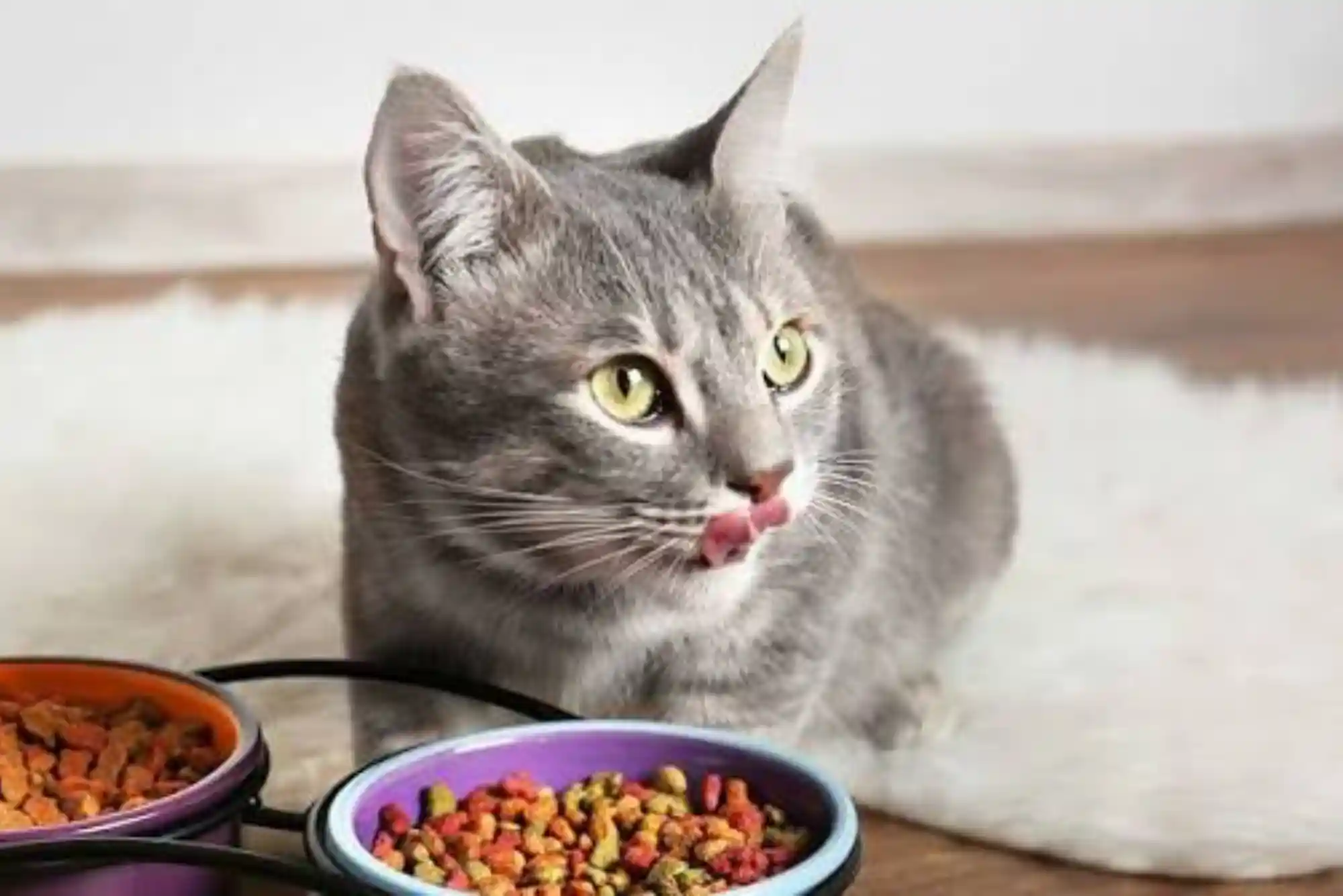
Some cats look at wet food like it is an alien object. You can warm the wet food slightly to enhance its natural aroma. Mixing in a splash of warm water creates a savory gravy. Try adding a topper of crushed dry kibble for familiar crunch. Play with different protein sources like chicken, turkey, or fish. Texture matters too, so test pates, shreds, and stews. Never force your cat to eat a food they completely reject. Positive reinforcement and gentle encouragement work wonders for hesitant eaters.
Common Mistakes to Avoid During the Switch
Avoid changing foods overnight just because you are in a rush. This almost always triggers an upset stomach and vet visits. Do not leave wet food sitting out for hours in the bowl. Spoiled food can harbor bacteria and cause illness in pets. Avoid mixing too many new flavors at the exact same time. Stick to one protein source until the transition is fully complete. Keep fresh drinking water available in multiple locations around the house. Avoiding these common traps ensures a much smoother journey.

When to Consult Your Veterinarian
Every cat has unique health needs and dietary tolerances. Consult your vet if your cat stops eating for more than twenty-four hours. Persistent vomiting or severe diarrhea requires professional medical attention. Cats with underlying kidney disease or diabetes need tailored nutrition plans. Your veterinarian can recommend specific brands or therapeutic wet formulas. Professional guidance gives you peace of mind throughout the process. Always prioritize your cat’s safety above everything else.
Frequently Asked Questions
How long does it take to switch a cat from dry to wet food?
The transition usually takes between two to four weeks. Some stubborn cats may require even longer to fully adapt.
What should I do if my cat gets diarrhea during the food switch?
Slow down the process immediately and reduce the wet food amount. Revert to the previous ratio until their digestion stabilizes.
Can I mix dry kibble and wet food in the same bowl?
Yes, mixing them is a great way to start the transition process. It helps your cat get used to the new taste and texture.
Why is my cat refusing to eat the new wet food?
Cats form strong texture preferences based on what they ate as kittens. They may also reject food that is too cold from the fridge.
Conclusion
Switching your feline friend to a moisture-rich diet is a rewarding choice. Knowing how to switch cat food from dry kibble to wet food without upset stomach issues protects their health. Take it slow, stay consistent, and watch for positive changes. Are you ready to upgrade your cat’s mealtime routine today? Share your transition experiences or questions in the comments below.